
What to Do If You See One Lone Ant in Your Bathroom: The Scout Ant Guide
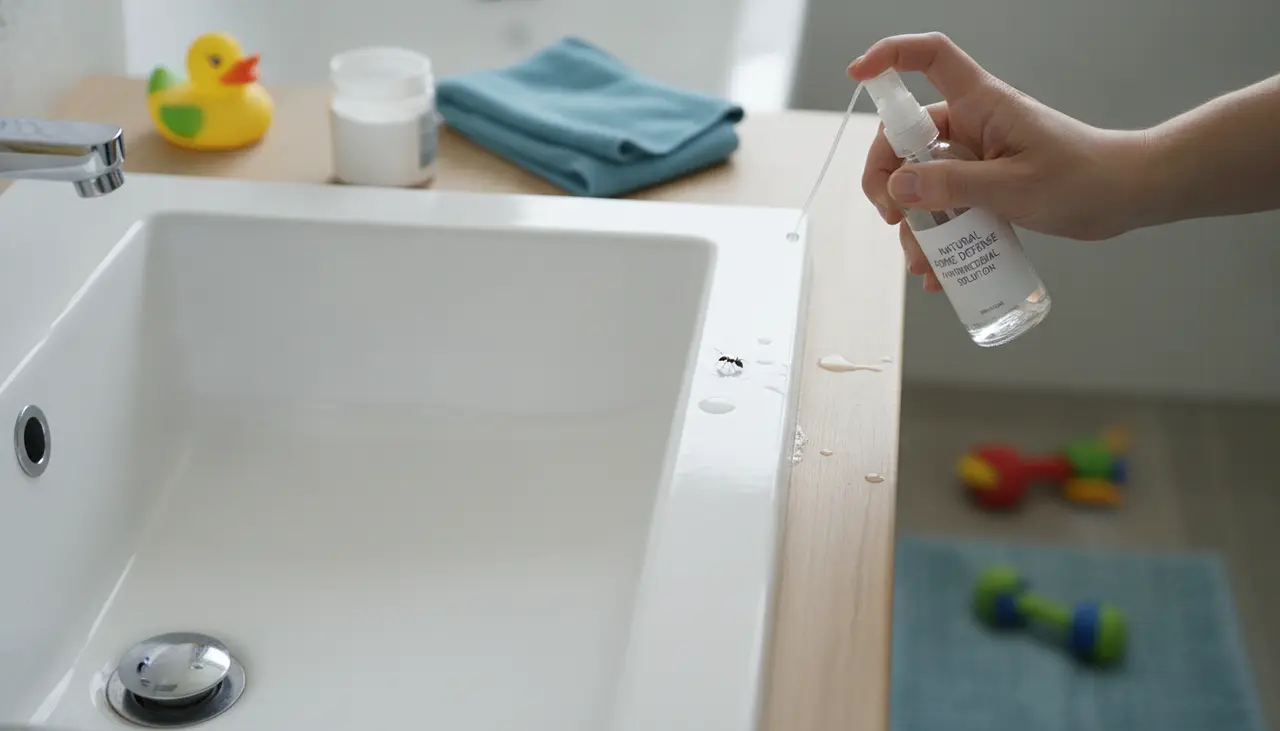
If you spot a single ant wandering across your bathroom vanity while you’re brushing your toddler’s teeth, your first instinct might be to just squish it and move on. I’ve been there—between bath time and laundry, a single bug seems like the least of your worries. However, that "loner" is actually a scout ant, and how you handle these first few minutes can determine whether you’ll be dealing with an army of thousands by tomorrow morning.
The short answer: If you see one lone ant, do not just squish it and walk away. You must neutralize the ant, but more importantly, you must destroy its pheromone trail using a vinegar solution or specialized cleaning wipes to prevent it from "calling" the rest of the colony. Then, identify the entry point and place a child-safe bait if necessary.
Who This Guide Is For
This guide is specifically for busy parents and pet owners who need to stop a potential ant infestation before it starts. If you want to keep your bathroom clean and safe for your kids without spraying harsh, industrial-grade chemicals near their rubber duckies, this step-by-step tutorial is for you.
---
Understanding the "Scout" Mission
Ants are highly organized. A "scout" is sent out from the colony to find two things: water and food. Bathrooms are a goldmine for them because of the standing water in drains, damp bath mats, and even the sweet residue in some toothpastes.
When a scout finds a resource, it heads back to the colony, laying down a chemical scent called a pheromone trail. Other ants follow this "scent highway" directly into your home. This is often why ants love your toddler's juice box—they follow the trail left by one lucky scout who found a spill.
Quick Comparison: Trail Neutralizing Methods
| Method | Safety Level | Effectiveness | Best For | | :--- | :--- | :--- | :--- | | Vinegar & Water (50/50) | Very High (Food Grade) | High | Quick DIY cleanup around kids | | Essential Oil Wipes | High (Plant-based) | High | Lingering scent and deep cleaning | | Soapy Water | High | Medium | Immediate neutralization of the ant | | Bleach/Harsh Cleaners | Low (Fumes/Residue) | High | Not recommended for homes with small children |
---
Step-by-Step: How to Handle Scout Ants in the House
#### 1. Don't Just Squish—Clean If you squish the ant, you’ve stopped that specific messenger, but the "scent highway" it laid down remains.
- The Fix: Use a mixture of 50% white vinegar and 50% water. Spray the area where you saw the ant and wipe it down thoroughly. The acetic acid in vinegar strips away the pheromone trail, making the path "invisible" to the rest of the colony.
#### 2. Identify the "Leaky" Entry Point Scout ants don't teleport; they usually come through tiny gaps in window seals, baseboards, or where plumbing meets the wall.
- The Fix: While the kids are napping, take a flashlight and look behind the toilet and under the sink. If you find a gap, a quick dab of silicone caulk can save you weeks of headache. (Check out our plain-text guide: The Ultimate Guide to Sealing Your Home for more details).
#### 3. Set a "Safety-First" Perimeter If you suspect there are more scouts on the way, you need a way to stop them that won't harm your pets or children.
- The Fix: If you need something stronger than vinegar, look for enclosed baits. When choosing between brands, it's important to understand the safety profiles. For example, in the debate of Raid vs. Terro: Which is Safer for Families and Pets?, we often prefer enclosed liquid borax stations because the active ingredient is less volatile than aerosol sprays, provided they are tucked away in places kids can't reach (like behind the trash can).
---
Best Solutions for Bathroom Ant Prevention
- Best for Immediate Cleanup: Auntie Lola’s or Wondercide Wipes. These use peppermint or cedarwood oil to naturally disrupt pheromones while being safe to use around pet bowls and bath toys.
- Best for Hidden Entry Points: Silicone Caulk. A small tube is easy to store and works wonders on those tiny cracks behind the bathroom pedestal sink.
- Best for "Set it and Forget it": Enclosed Borax Baits. These allow the ants to take the bait back to the nest without exposing your family to open chemicals.
Affiliate Disclosure: This post contains affiliate links. If you purchase a recommended product through these links, we may earn a small commission at no extra cost to you, which helps us keep this resource free for parents.
---
Common Beginner Mistakes
- Using Aerosol Sprays: Spraying a "bug killer" into the air in a small, poorly ventilated bathroom can irritate your child’s lungs. It also only kills the ants you see, not the colony.
- Leaving the Bath Mat Damp: A soggy bath mat is an oasis for Odorous House Ants. Hang it up to dry to remove the water source.
- Ignoring the "Buddy System": If you see one ant, there are almost certainly others nearby. Always check the other side of the wall (the exterior of the house) to see if there is a trail forming outside.
FAQ: Scouting the Scouts
Q: Does seeing one ant mean I have an infestation? A: Not necessarily! It means your house is being "auditioned." If the scout finds nothing and you wipe its trail, the colony will likely look elsewhere.
Q: Why are they in my bathroom if there’s no food? A: Ants need water just as much as food. They are attracted to the condensation on pipes, the moisture in your shower, and even the hair and skin cells that accumulate in drains.
Q: Is vinegar enough to kill the colony? A: No. Vinegar is a tool for prevention and trail removal. To kill the colony, you would need a baiting system that they carry back to the queen.
Final Thoughts
I know how stressful it is to feel like your "safe space" is being invaded. But remember: seeing a scout is actually a gift—it’s an early warning signal. If you act fast with a little vinegar and a few minutes of "detective work" around your baseboards, you can keep your bathroom ant-free and safe for your little ones.
For more tips on keeping your home pest-free without the chemicals, check out our guide on Diatomaceous Earth for Ants: The Busy Parent’s Guide to Safe, Mess-Free Control.