
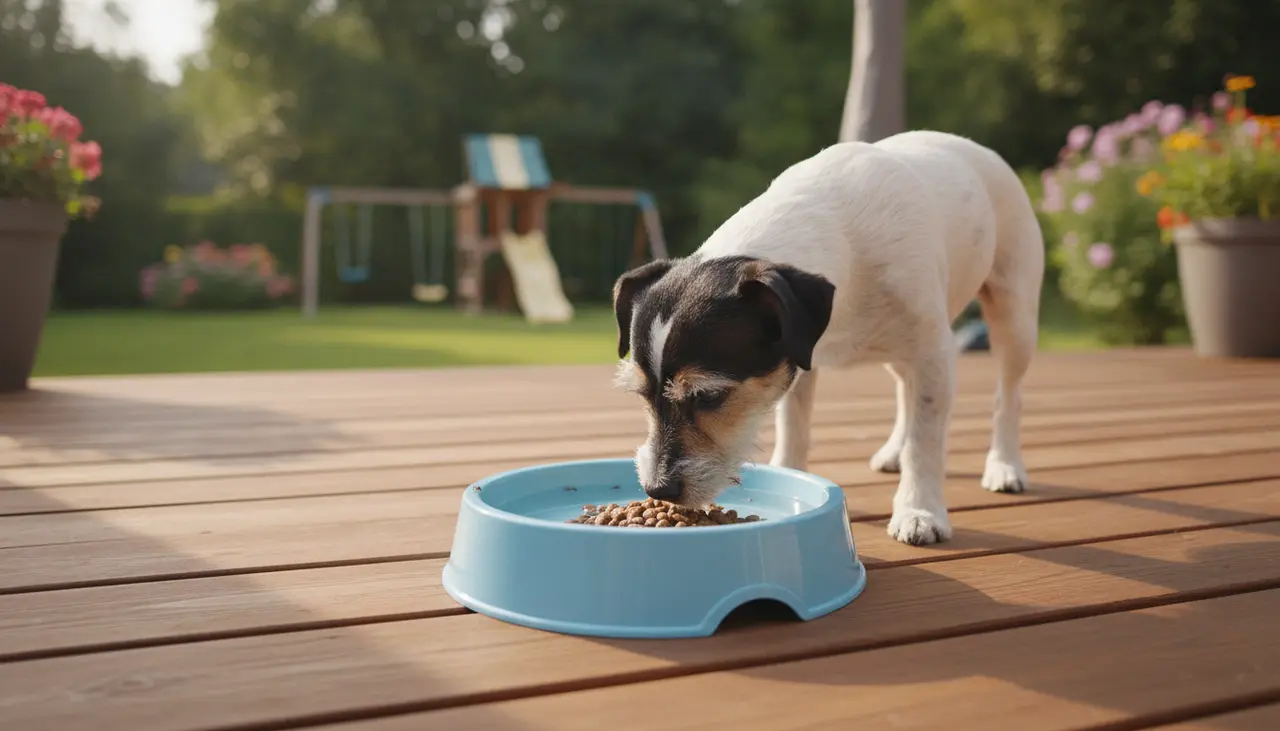
The Best Ant-Proof Dog Bowls for Summer: Keep Pests Out of Your Pet’s Food Safely
Affiliate Disclosure: This post contains affiliate links. If you purchase through these links, I may earn a small commission at no extra cost to you. I only recommend products that align with our mission of family and pet safety.
The most effective way to stop ants from invading your pet's food is by using an ant proof dog bowl that utilizes a "moat" system. These bowls feature a built-in reservoir that you fill with water, creating a physical barrier that ants cannot cross to reach the kibble.
For busy parents, a stainless steel moat-style bowl is often the best choice because it is durable, dishwasher-safe, and requires no chemicals or electricity to work. By simply adding an inch of water to the base, you cut off the pheromone trail and protect your dog's meal immediately.
Why You Need a Dedicated Ant-Proof Solution This Summer
I know exactly how stressful it is to walk into the kitchen for your first cup of coffee, only to find a black line of ants marching straight into your dog’s breakfast. It’s frustrating, it’s a waste of expensive pet food, and as a parent, the last thing you want is a trail of pests near where your kids play on the floor.
During the summer, "sugar ants" (Odorous House Ants) are on a relentless hunt for moisture and protein. Your dog's bowl is essentially an all-you-can-eat buffet for them. While you might be tempted to reach for a heavy-duty spray, we prioritize non-toxic methods. Using the right bowl is a "set-it-and-forget-it" fix that works while you’re busy with the kids or at work.
This guide covers the best types of ant-proof bowls for different household needs, focusing on safety, ease of cleaning, and effectiveness.
Comparison of Ant-Proof Bowl Types
| Bowl Type | Primary Mechanism | Material | Best For | | :--- | :--- | :--- | :--- | | Moat-Style Bowl | Water barrier (moat) | Stainless Steel / Plastic | Heavy infestations & outdoor use | | Elevated Moat Stand | Water-filled legs | Wrought Iron / Plastic | Multiple pets or large breeds | | Lip-Protected Bowl | Overhanging rim | Plastic | Light prevention & messy eaters | | Airtight Electronic | Sealed lid with sensor | BPA-free Plastic | Wet food or scheduled feeding |
---
Best for Maximum Protection: The Stainless Steel Moat Bowl
The "moat" design is the gold standard for a reason. It uses the simplest law of nature: most common household ants cannot swim.
- How it works: The bowl is essentially a bowl-within-a-bowl. You fill the outer ring with water. To get to the food, an ant would have to trek across the "lake," which they won't do.
- Pros: Extremely effective; no chemicals; stainless steel is hygienic and resists bacteria.
- Cons: You must remember to keep the moat filled with water; can be messy if your dog is a "splasher."
Best for Large Dogs: Elevated Moat Stands
If you have a larger breed or a senior dog who struggles to lean down, an elevated feeder is a great choice.
- How it works: These stands often have small reservoirs at the base of each leg. You fill these tiny cups with water or a bit of food-grade Diatomaceous Earth.
- Pros: Better for your dog’s posture; keeps the food further off the ground away from floor-level scouts.
- Cons: Takes up more floor space; requires checking four small moats instead of one large one.
Best for Wet Food: Airtight Motion-Sensor Bowls
If your dog eats wet food, the smell is a massive magnet for ants.
- How it works: These bowls stay sealed with a silicone-rimmed lid that only opens when your dog’s microchip or RFID tag is nearby.
- Pros: Keeps food fresh; prevents ants from smelling the food at all; keeps toddlers out of the dog food.
- Cons: Requires batteries or charging; more expensive than traditional bowls.
---
Common Beginner Mistakes to Avoid
When I first tried to solve our ant problem, I made a few mistakes that actually made things worse. Here is what to watch out for:
- Touching the Wall: If the bowl or the stand touches a baseboard or a kitchen cabinet, you’ve just built a "bridge." Ants will bypass the moat entirely by climbing the wall and dropping into the bowl. Always keep the bowl at least two inches away from any surface.
- Using Soap in the Moat: Some people suggest adding dish soap to the water to drown ants faster. Don't do this. If your dog gets thirsty and drinks from the moat, the soap can cause upset stomachs. Plain water is enough.
- Ignoring the Floor: A bowl stops ants from getting in the food, but it doesn't stop them from hanging out on the floor around it. To safely clear the area, check out our guide on the Best Pet-Friendly Ant Sprays for Dogs and Cats: Safe, Plant-Based Solutions.
The "Clean Floor" Checklist
Even with an ant-proof bowl, you want to discourage ants from entering the kitchen in the first place.
- [ ] Wipe up water splashes immediately (ants are attracted to the moisture).
- [ ] Use a silicone mat under the bowl to catch stray kibble.
- [ ] Store the main bag of dog food in an airtight container, not the original paper bag.
- [ ] Check for tiny cracks in the baseboards near the feeding station.
FAQ
Can ants swim across the water moat? Most common household ants, like Odorous House Ants or Pavement Ants, cannot swim and will be deterred by the surface tension of the water. However, if the water gets dusty or a "bridge" of fallen kibble forms, they can cross. Keep the moat clean!
Is Diatomaceous Earth safe to use around the bowl? Yes, as long as you use Food Grade Diatomaceous Earth. It’s a great non-toxic powder that can be sprinkled around the base of a bowl. For a deeper dive on how to use this safely, see our Busy Parent’s Guide to Safe, Mess-Free Diatomaceous Earth.
What if my dog drinks the moat water? This is why we only recommend using plain water in the moat. It’s perfectly safe if they take a lap from the moat instead of the bowl.
Final Thoughts
Summer should be about backyard BBQs and playing with the kids, not fighting a losing battle against ants in the kitchen. Switching to an ant proof dog bowl is one of those small wins that makes a big difference in your daily routine. It’s a safe, chemical-free way to protect your pet and keep your home feeling clean.
If you're looking for more ways to secure your home, start with our Safe Ant Solution Master Buying Guide to see which other non-toxic tools we recommend for every room in the house.